Why Summer Allergies vs. Dry Eye Disease Feel the Same in Pinckney
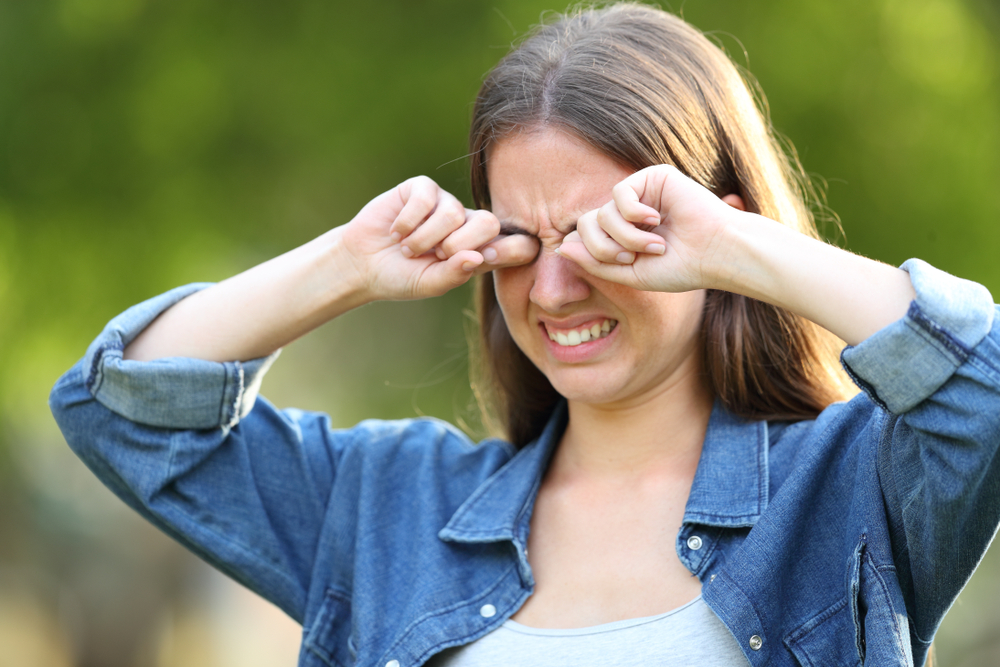
Summer in Pinckney can bring sunshine, outdoor activities, and plenty of pollen. If your eyes become red, watery, irritated, or uncomfortable, it may be difficult to tell whether seasonal allergies or dry eye disease is responsible. These conditions share several symptoms, and in some cases, a person can experience both at the same time. Understanding the differences can help you know when temporary irritation may need a closer look.
Why Eye Allergies and Dry Eye Feel Similar
Both eye allergies and dry eye disease can cause redness, watering, irritation, and sensitivity. Allergens such as pollen can trigger inflammation on the surface of the eyes, while dry eye occurs when the eyes do not produce enough quality tears or the tear film evaporates too quickly.
Summer conditions can also make dry eye symptoms more noticeable. Fans, air conditioning, heat, wind, prolonged screen use, and contact lens wear may all contribute to tear film instability and discomfort.
Signs That May Point to Allergies
Itching is one of the strongest clues that allergies may be causing your symptoms. Seasonal eye allergies often occur when the immune system reacts to pollen, grasses, mold, or other allergens.
Common signs include:
• Intense itching in or around the eyes
• Red or watery eyes
• Puffy or swollen eyelids
• Symptoms that worsen after spending time outdoors
• Sneezing, congestion, or a runny nose along with eye irritation
Avoid rubbing itchy eyes, since rubbing can increase irritation and inflammation.
When It Could Be Dry Eye Disease
Dry eye symptoms often feel more like burning, stinging, grittiness, or the sensation that something is stuck in your eye. Some people also experience fluctuating or blurry vision that temporarily improves after blinking.
Watery eyes can also be a sign of dry eye. When the surface of the eye becomes irritated, the body may respond by producing excess reflex tears. These tears do not always have the proper balance of oil, water, and mucus needed to keep the eyes comfortably lubricated. At Main Street Optometry Pinckney, dry eye evaluations can help us look beyond the symptoms and identify factors affecting the tear film and oil-producing meibomian glands.
Can You Have Allergies and Dry Eye at the Same Time?
Yes. Allergies can contribute to eye surface inflammation, while dry eye disease may already be affecting tear quality. Some allergy medications may also contribute to dryness in certain patients.
This overlap is one reason persistent summer eye irritation should not automatically be treated with whichever over-the-counter eye drop happens to be available. The right approach depends on what is actually causing your symptoms.
When to Schedule an Eye Exam
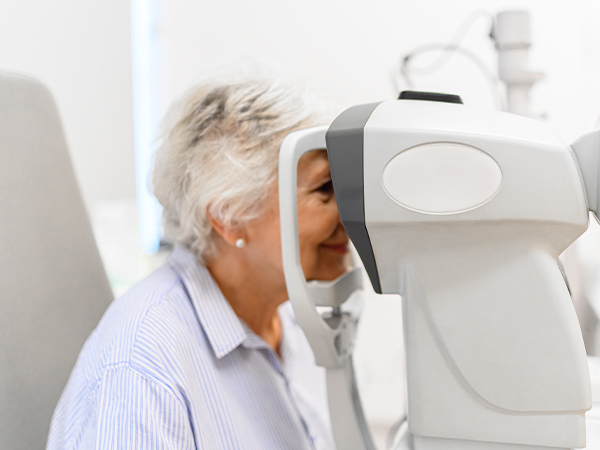
If redness, itching, burning, excessive tearing, or blurry vision continues despite basic at-home care, an eye exam can help determine whether you are dealing with allergies, dry eye disease, or a combination of both. We can evaluate your eye health and recommend care based on the underlying cause rather than symptoms alone.
Schedule an eye exam with Main Street Optometry Pinckney for personalized care and dry eye treatment. Contact our office in Pinckney, MI, by calling (734) 999-3123 to book an appointment today.
Quick Links
Helpful Articles
All Eye Care Services
Find personalized eye care excellence with our comprehensive services. From eye exams to advanced diagnostics, trust us for all your vision needs.

Keep In Touch
For non-urgent questions or to learn more about our services, contact us today!
© 2026 Allisonville Eye Care Center . All rights Reserved - Accessibility Statement - Privacy Policy - Sitemap
Managed and Designed by 